Restoring Colombia's Ecosystems for Climate Resilience


The Challenge
Colombia is one of the most biodiverse countries in the world, hosting nearly 10% of the planet's biodiversity despite covering less than 1% of the Earth's land surface. However, its ecosystems are under growing pressure from deforestation, illegal mining, agricultural expansion, and climate change. These threats are causing the rapid loss of forests and wildlife habitats, putting many species at risk of extinction.
To address these challenges, WWF Colombia works with local communities, Indigenous peoples, governments, and private organizations to promote sustainable land management, restore degraded ecosystems, and protect endangered species. Through conservation projects and environmental education, WWF aims to preserve Colombia's natural heritage while helping communities adapt to the impacts of climate change.
Key Facts
Over 53%
of Colombia's territory is covered by forests. (WWF Colombia)
By 2030
WWF estimates that 27% of the Amazon biome could be treeless if current deforestation trends continue. (WWF)
10%
Colombia is home to around 10% of the world's biodiversity, despite representing less than 1% of the Earth's land surface. (WWF Colombia)
Our Project
Learning from Native Bees
Protecting biodiversity starts with understanding the delicate systems that sustain life.
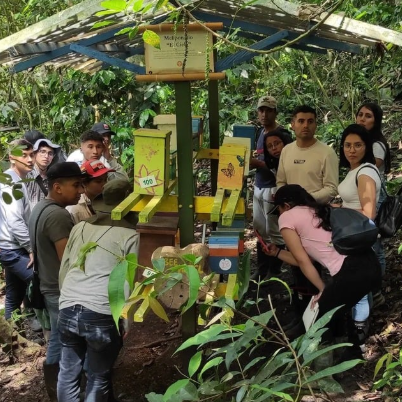
As part of our commitment to learning from nature, we participated in a meliponiculture course with Campo Colombia Educa, focused on native stingless bees "abejas nativas" and their vital role in healthy ecosystems.
Beyond theory, the experience was deeply hands‑on. We visited the hives, observed the organization of the colonies, and learned about the central role of the queen and the collective intelligence that allows these bees to thrive.
Moments like honey tasting offered a direct connection to the land, traditions, and knowledge passed down through generations.
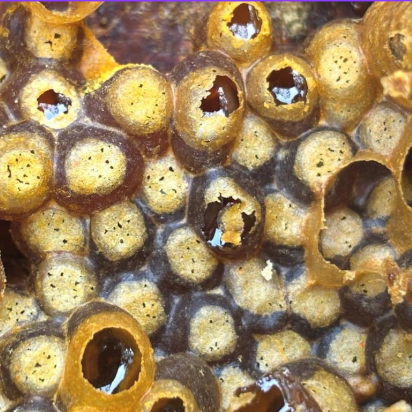
What stayed with us most is how closely biodiversity, culture, and sustainability are linked. Native bees are not only pollinators; they are guardians of ecosystems and indicators of environmental balance.
Through experiences like this, we deepen our understanding of how small actions, rooted in knowledge and care, can contribute to more resilient and living landscapes.
Discovering Sustainable Coffee
In the heart of Colombia’s coffee region, in Salento, we visited a family‑run coffee finca to better understand the journey of coffee from plant to cup. Surrounded by green hills and agroforestry landscapes, we discovered a way of farming deeply connected to land, climate, and time.
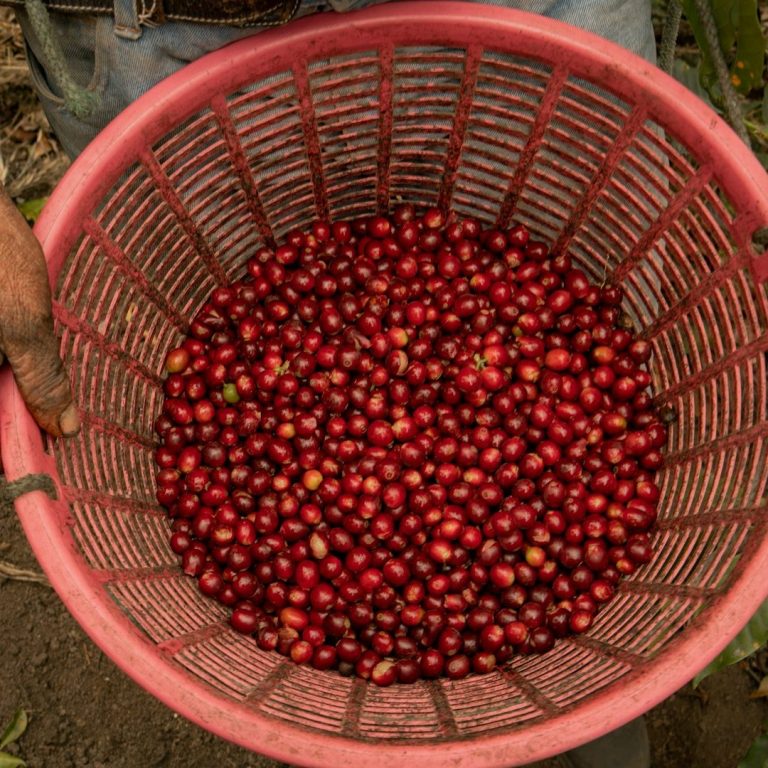
We learned that coffee cultivation requires patience and precision. Coffee plants take several years before producing their first cherries, and harvesting is still largely done by hand. Only ripe cherries are picked, a careful selection process that directly influences quality and flavor.
Beyond technique, this visit revealed the human dimension of coffee production. Behind every cup are families, rural communities, and daily work that often remains unseen. We gained a deeper understanding of why fair trade and recognition of small producers are essential.
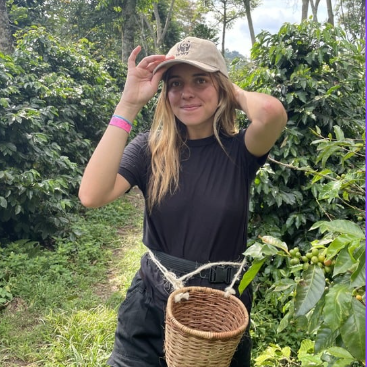
Visiting this coffee finca in Salento reminded us that coffee is more than a consumer product; it is the result of a delicate balance between nature, knowledge, and human commitment. Knowing its origin encourages more conscious consumption and greater respect for both the land and the people who cultivate it.
Exploring Chingaza National Park
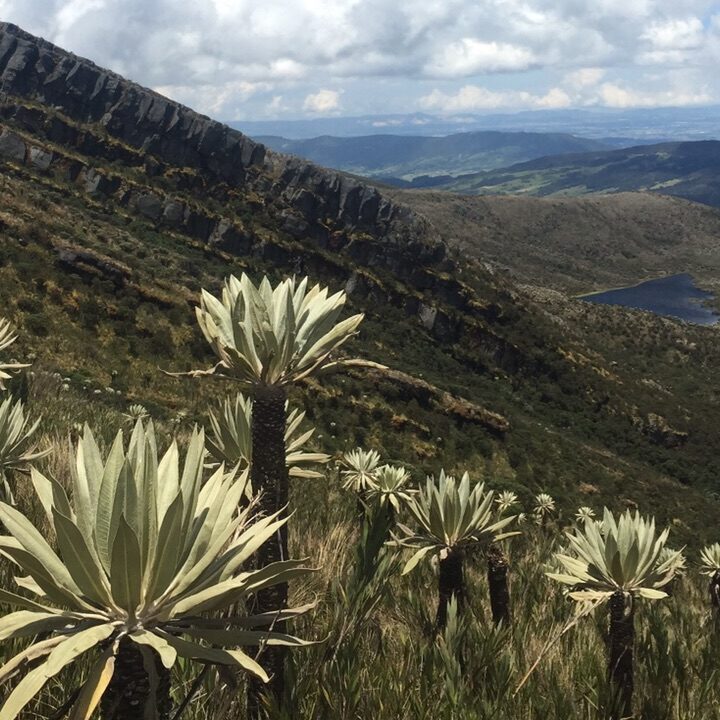
During a field visit to Chingaza National Natural Park alongside two WWF Colombia biologists, we explored one of the country's most important protected ecosystems while learning about its exceptional biodiversity.
Home to unique species such as the spectacled bear, the Andean condor, and the iconic frailejón plant, Chingaza plays a vital role in maintaining the ecological balance of the Eastern Andes. Throughout the visit, the biologists explained how the park's diverse flora and fauna are closely interconnected, making the ecosystem highly sensitive to environmental changes.
One of the main challenges discussed was the alarming decline in water reservoirs caused by climate change, changing rainfall patterns, and increasing human pressure on surrounding ecosystems. Chingaza's páramo ecosystem acts as a natural sponge, capturing, storing, and gradually releasing water that supplies nearly 80% of Bogotá's drinking water. However, prolonged droughts and ecosystem degradation are threatening this essential function, putting both biodiversity and water availability at risk.
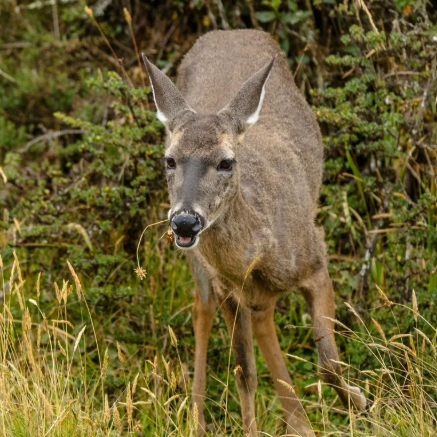
The visit highlighted the strong connection between ecosystem conservation and human well-being. Protecting Chingaza is not only essential for preserving wildlife and endemic species but also for ensuring long-term water security for millions of people.
It demonstrated that safeguarding biodiversity and restoring natural ecosystems are fundamental steps toward building resilience against climate change and securing sustainable natural resources for future generations.
What we learned from WWF Colombia
Community First
One of the most valuable lessons from WWF Colombia is that conservation succeeds when local communities are part of the solution. Lasting environmental impact is created by working with people, understanding their needs, and developing solutions that benefit both nature and livelihoods.
Collaboration
WWF Colombia demonstrated that protecting nature requires collaboration across stakeholders. Communities, NGOs, governments, and businesses all have a role to play in creating long-term and scalable conservation outcomes.
Nature and Livelihoods
Healthy ecosystems and thriving communities go hand in hand. WWF Colombia's approach showed us that conservation efforts are most successful when they generate tangible benefits for the people who depend on natural resources.
Local Solutions
The collaboration taught us that the best conservation solutions are often locally developed. By listening to communities and building on existing knowledge, environmental initiatives become more effective, resilient, and sustainable.